


CULT FILMS I REVISITED IN MARCH (AND STILL LOVE)
Looking for the best cult films to watch right now? Not the safe picks. Not the algorithm favorites. The ones that actually stick in your mind forever.
March turned into a revisit of the films that never really leave rotation. The ones that get better with time. The ones that feel handmade, strange, and completely unapologetic in what they are.
These are the movies I ran to in the month of March. Practical effects, bold choices, and a willingness to get weird when everything else plays it safe.
Let’s get into it.
1. THE MONSTER SQUAD (1987)

Directed by Fred Dekker and co-written with Shane Black, this is one of those movies that never loses its identity. André Gower and the rest of the kid cast carry it with just enough sincerity to ground everything, while Duncan Regehr’s Dracula gives the film real teeth. He’s not playing it for laughs, and that decision elevates everything.
On rewatch, what stands out is how well it balances tone. Tom Noonan’s Frankenstein brings an unexpected emotional core, and it never feels forced. The Wolfman transformation still hits, and the pacing never drags. It moves like an adventure but lands like a proper horror film.
This is one of those films that quietly builds lifelong fans. It doesn’t feel overly polished or manufactured. It feels like a group of people who understood exactly what they were making and didn’t compromise on it.
2. LAIR OF THE WHITE WORM (1988)

Directed by Ken Russell, this is what happens when a filmmaker fully commits to their own instincts. Amanda Donohoe completely owns the screen with a performance that leans into the film’s surreal tone, while a young Hugh Grant feels like he wandered into something far stranger than expected.
On rewatch, the confidence in its weirdness is what stands out most. It doesn’t explain itself. It doesn’t try to ground anything. The imagery just escalates—hallucinations, snake cult symbolism, tonal swings—and the film never pulls back.
This is cult cinema operating exactly how it should. It’s not trying to be accessible. It’s trying to be memorable, and it absolutely is.
3. BRAM STOKER’S DRACULA (1992)
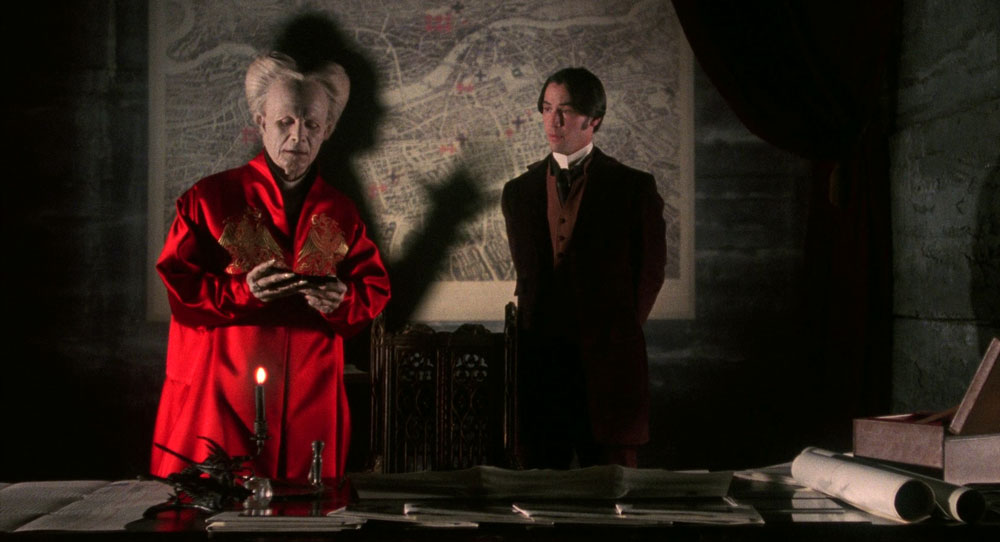
Directed by Francis Ford Coppola, this is one of the most visually committed horror films ever made. Every frame feels intentional. The lighting, shadows, and practical effects all build a world that feels theatrical and fully realized.
Gary Oldman drives the entire film with a performance that constantly shifts, but never feels out of place. Winona Ryder and Anthony Hopkins round out a cast that leans into the film’s exaggerated tone rather than fighting it.
It’s not perfect, but it doesn’t need to be. It feels like a complete vision pushed all the way through, and that’s what makes it hold up.
4. THE TEXAS CHAINSAW MASSACRE 2 (1986)

Directed by Tobe Hooper, this is what happens when a sequel refuses to repeat itself. Bill Moseley’s Chop Top is one of the most unpredictable characters in horror, while Dennis Hopper brings a completely unhinged energy that pushes the film even further.
On rewatch, the tonal shift is what makes it interesting. It leans into absurdity, but never fully lets go of the horror. That balance shouldn’t work, but it does because everyone involved commits to it.
It’s loud, messy, and aggressive. But that’s exactly why it stands out.
5. LAID TO REST (2009)

Directed by Robert Hall, this is stripped down slasher filmmaking done right. Nick Principe as ChromeSkull is the entire engine of the film. The design is simple, but the presence is strong enough to carry everything.
The film doesn’t overcomplicate anything. Bobbi Sue Luther and the rest of the cast serve the structure without slowing it down (acting kind of sucks but that's ok, the kills are awesome). It focuses on atmosphere, pacing, and practical effects.
On rewatch, the efficiency stands out. It knows exactly what it is and doesn’t waste time trying to be anything else. Laid to Rest is certainly no masterpiece, but it's violent and lots of fun.
6. XTRO (1982)
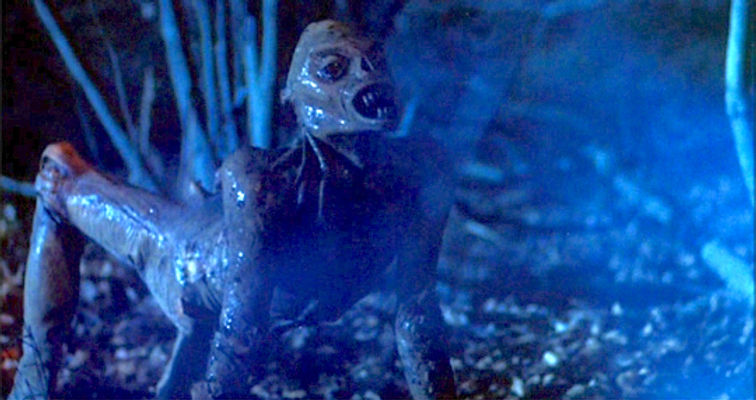
Directed by Harry Bromley Davenport, Xtro feels completely detached from normal structure. Philip Sayer and Bernice Stegers ground it just enough to make everything else feel even more off.
On rewatch, it’s the unpredictability that stands out. The film doesn’t settle into a rhythm. It keeps shifting, adding strange imagery and moments that don’t fully resolve. The monster design and the practical effects are the highlight of the film without a doubt.
It’s uncomfortable in a way that feels intentional. That’s what makes it stick. Well that and the batsh*t crazy monster design.
7. MANDY (2018)
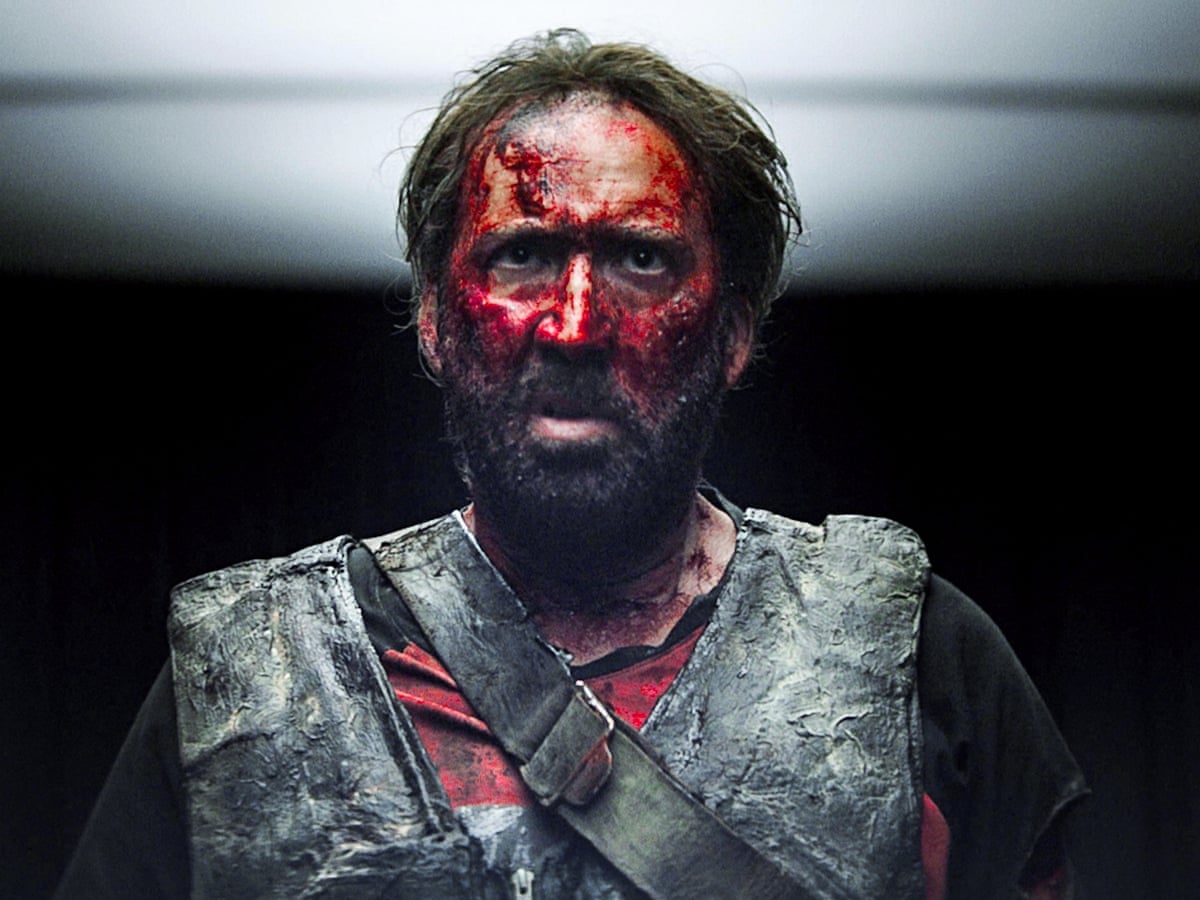
Directed by Panos Cosmatos, Mandy builds everything around atmosphere. Nicolas Cage delivers a performance that feels completely unrestrained, but it works because the entire film is built to support that energy.
Andrea Riseborough brings a grounded presence to the first half, which makes the tonal shift hit harder. The visuals, sound design, and pacing all move in the same direction.
It’s not casual viewing. It’s something you sit with, and that’s what makes it memorable.
8. PHENOMENA (1985)

Directed by Dario Argento, this is him fully leaning into instinct over logic. Jennifer Connelly carries the film with a performance that grounds the concept just enough to make it work.
Donald Pleasence adds another layer of unpredictability, and the film never fully settles into a traditional structure. It moves through ideas more than plot.
It shouldn’t work, but it does because of how committed it is to its own tone.
9. DEEP RED (1975)

Another from Dario Argento, but far more controlled. David Hemmings leads with a performance that keeps the audience anchored while everything else unfolds.
The structure is tight. The camera work is deliberate. The soundtrack by Goblin drives the tension forward in a way that still feels modern.
On rewatch, it’s the precision that stands out. Nothing feels accidental.
10. THE BEYOND (1981)

Directed by Lucio Fulci, this is pure nightmare logic. This is the second film of Lucio Fulci's Gates of Hell trilogy, a trilogy I highly encourage everyone watch at least once. Catriona MacColl carries the film through a series of sequences that feel more like visions than scenes.
The structure is loose, but the atmosphere is strong enough to hold everything together. The practical gore is brutal and direct, adding to the overall sense of dread.
It doesn’t resolve. It just descends. That’s what makes it stick.
11. THE KINDRED (1987)
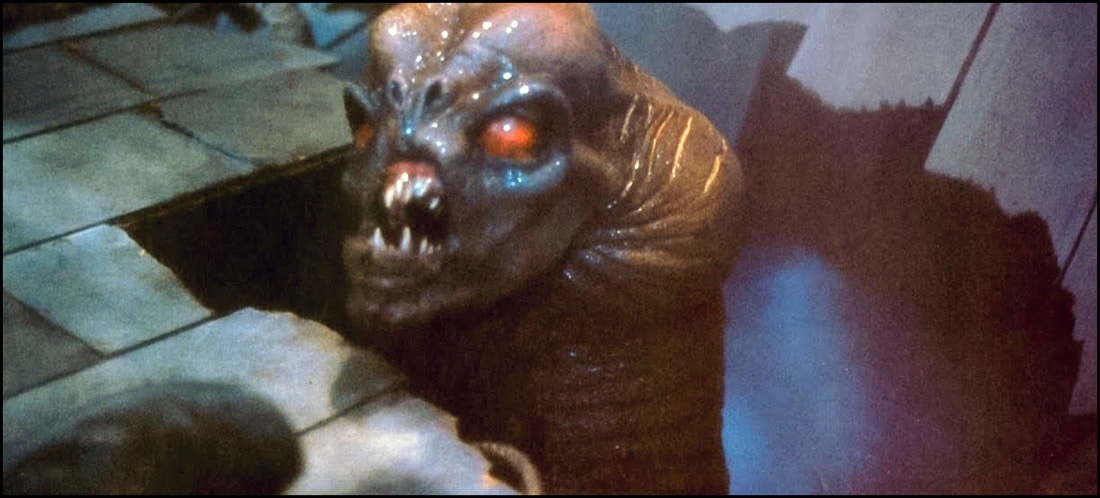
Directed by Stephen Carpenter and Jeffrey Obrow, this is one of those overlooked 80s films that delivers exactly what it needs to. Rod Steiger brings a level of seriousness that grounds the film early on.
The real standout is the creature work. The practical effects feel physical and detailed, giving the film a weight that a lot of similar films don’t have.
On rewatch, it’s clear how much care went into execution. It’s not flashy, but it’s effective, and disgusting.
THE FINAL CUT
What makes these films great is that they don’t feel too cookie cutter. You can see the decisions on screen. The risks, the limitations, the weird choices that nobody smoothed out later. Whether it’s Lucio Fulci leaning fully into nightmare logic or Dario Argento building entire scenes around color and sound instead of dialogue, these movies feel like they were made by people with a vision. That’s the difference. You’re not watching something designed to appeal to everyone, you’re watching something that commits to the crazy.
They also rely on things that actually hold up over time. Practical effects, real lighting, physical sets, performances that aren’t buried under layers of polish. When you watch something like The Beyond or The Kindred, the horror feels tangible because it is tangible. There’s weight to it. The gore, the creatures, the environments, they exist in the frame. That gives these films a kind of staying power that a lot of modern releases lose the second the credits roll.
And more than anything, these films stick because they’re unpredictable. They don’t follow clean structure. They don’t always resolve in a satisfying way. Sometimes they don’t even make complete sense (most of the time in fact...), and that’s exactly why you keep thinking about them. They leave space for interpretation, for atmosphere, for moments that hit purely on feeling instead of logic. That’s what separates something you watch once from something you revisit for years.

